Mastering the Illinois POWER Test: 2026 Standards and Preparation Guide

Use Sgt. Godoy’s test prep to pass the Amtrak Police Officer exam
If you are planning a law enforcement career in Illinois, the biggest physical challange you need to overcome is the Peace Officer Wellness Evaluation Report, commonly known as the POWER test.
This mandatory assessment is established by the Illinois Law Enforcement Training and Standards Board (ILETSB). It is required by all police academies in the state of Illinois.
The POWER test ensures that recruits have both sufficient physical fitness and physiological preparation to meet the demands of the job.
2026 Illinois POWER Test Passing Standards
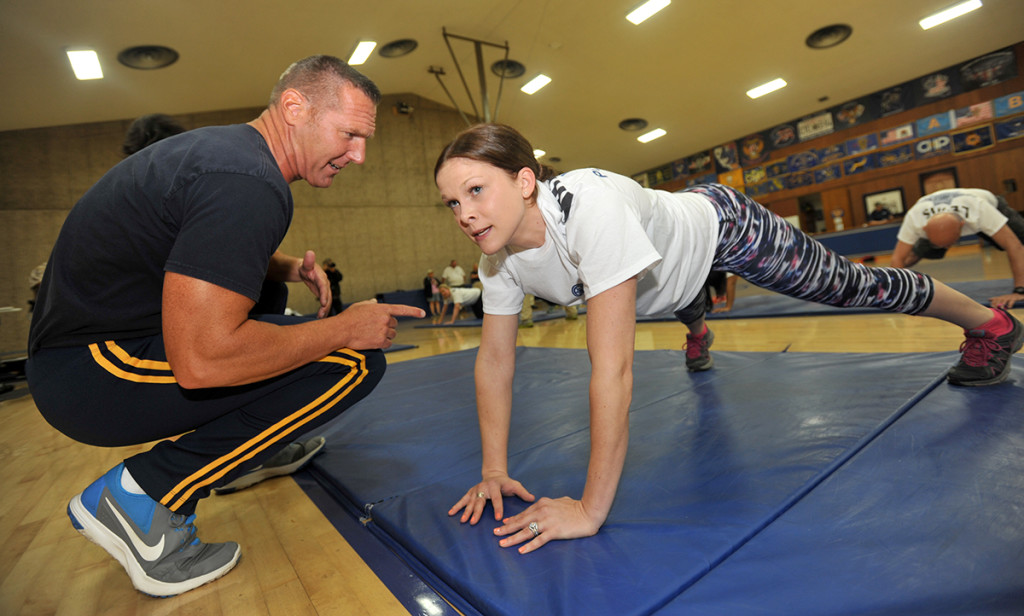
Being a "norm-based" assessment, to pass the POWER test you must score better than the 40th percentile of the national population (compared to people in your gender and age group).
The ILETSB updated these standards on January 1, 2023. Make sure you are training for the up-to-date metrics shown below.
POWER Test Passing Scores for Men
| Test Component | Age 20–29 | Age 30–39 | Age 40–49 | Age 50–59 |
|---|---|---|---|---|
| Sit and Reach | 14.4" | 13.0" | 12.0" | 10.5" |
| 1-Minute Sit-Ups | 33 | 30 | 24 | 19 |
| Bench Press (Ratio) | 0.88 | 0.78 | 0.72 | 0.63 |
| 1.5 Mile Run | 14:00 | 14:34 | 15:24 | 16:58 |
POWER Test Passing Scores for Women
| Test Component | Age 20–29 | Age 30–39 | Age 40–49 | Age 50–59 |
|---|---|---|---|---|
| Sit and Reach | 17.0" | 16.5" | 15.0" | 14.8" |
| 1-Minute Sit-Ups | 24 | 20 | 14 | 10 |
| Bench Press (Ratio) | 0.51 | 0.47 | 0.43 | 0.39 |
| 1.5 Mile Run | 16:46 | 17:38 | 18:37 | 20:44 |
The Four POWER Test Components Explained
1. Sit and Reach Test
This assesses lower back and hamstring flexibility, which plays a critical role in preventing back injuries later in your career. Sit with your legs extended and try reaching forward toward a yardstick. The 15-inch mark is usually aligned with your feet.
2. One-Minute Sit-Up Test
This component evaluates the endurance of your abdominal muscles. Your task is to perform as many proper sit-ups as possible in 60 seconds. Proper form requires your fingers to remain interlocked behind your head, and your elbows to touch your knees at the top of the movement.
3. One-Repetition Maximum Bench Press
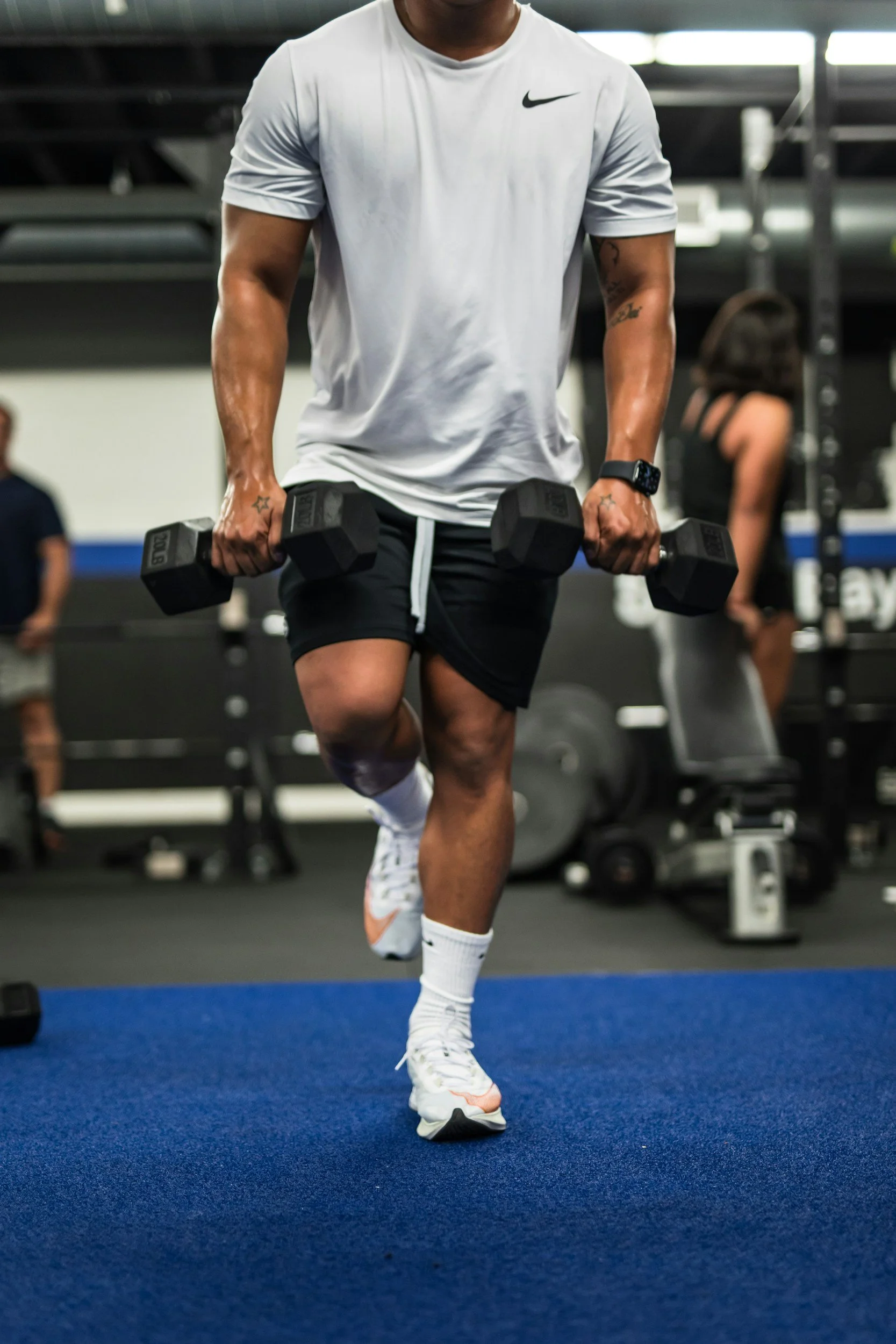
This measures upper body strength. The target weight you must lift is determined by your body weight. For example, 200lb male aged 25 must lift 176 lbs. Some testing centers like NIPSTA utilize a machine bench for safety and standardization.
4. 1.5 Mile Run
You will usually do a timed run as the final test component. It will measure your aerobic capacity and overall endurance. While training, you should focus on both distance and intervals (to increase speed).
Expert POWER Prep Tips to Avoid Failure
Master your Form: Lots of candidates fail because because of poor form. For the sit-ups, you can only rest in the "up" position. During push-up training, resting on the floor will disqualify you instantly.
The Machine Factor: Many academies use a machine-style bench for the test. While training for the bench press, make sure to also get a feel for the assisted machine bench.
Cardio Progression: Reaching a solid cardio base might take you more than a month. It's best to start preparing at least 12 weeks before the test by walking, running, and sprinting.
Beyond the Physical: Mastering the Full Hiring Process

While the POWER test is important, the hiring process requires more from you to succeed. Many candidates make the mistake of focusing so much on the run that they fail the multi-stage written exam or the oral board.
To improve your chances of getting hired, we recommend the PoliceExam911™ Prep Course.
PoliceExam911™ is the best-in-class prep course created personally by Sgt. George Godoy. Get access to the following:
Video-based Tutorials on how to Master each Test Topic
Hundreds of Practice Questions with Answer Explanations
Instant Online Access on any Device
Unlimited Lifetime Use
Bonus Tips for your Job Search
24/7 Support from Sgt. Godoy